First, is creatine monohydrate safe? The answer is YES. It’s one of the most extensively researched supplements in sports science, backed by over thirty years of safety data. Next, we’ll debunk the common myths. Creatine does NOT damage kidneys in healthy individuals, it does NOT cause dehydration, and it is NOT a steroid. The optimal dosage is three to five grams daily for maintenance. There’s also an optional loading phase, which involves taking twenty grams per day for five to seven days to achieve faster results. So, who should avoid it? We will dive into this and so much more, right now!
Listen to “Is Creatine Monohydrate Safe? Fact vs Fiction—The Science-Backed Truth” – (~11 minutes)
TL;DR
- Is creatine monohydrate safe? YES. It’s one of the most extensively researched supplements in sports science with over 30 years of safety data.
- Common Myths Debunked: Creatine does NOT damage kidneys in healthy individuals, does NOT cause dehydration, and is NOT a steroid.
- Optimal Dosage: 3-5 grams daily for maintenance. Optional loading phase: 20g/day for 5-7 days for faster saturation.
- Who Should Avoid It: People with pre-existing kidney disease, pregnant/nursing women (due to lack of research), and those under 18 should consult a physician first.
- Real Side Effects: Water weight gain (not fat) and minor GI discomfort in some users—both easily managed.
Is Creatine Monohydrate Safe? Fact vs Fiction—The Science-Backed Truth
You’ve heard the rumors. Creatine damages your kidneys. It causes dehydration and cramping. It’s basically a steroid. Maybe you’ve been sitting on the fence about trying creatine monohydrate because you’re concerned about safety. The internet is full of conflicting information, gym-bro myths, and outright misinformation that keeps people from accessing one of the most powerful, proven performance enhancers available.
Here’s the truth: Is creatine safe? Absolutely—when used correctly by healthy individuals. But don’t just take our word for it. We’re going to break down decades of peer-reviewed research, debunk the most persistent myths, and give you the complete safety profile backed by science, not fear-mongering.
This is your definitive guide to creatine monohydrate safety. By the end of this article, you’ll have evidence-based answers to every safety question, understand exactly how to use creatine properly, and know whether it’s right for you. No hype. No myths. Just facts.

What Is Creatine Monohydrate?
Before diving into safety, let’s establish what we’re actually talking about. Creatine is a naturally occurring compound found in your body, primarily in your muscles. Your liver, kidneys, and pancreas produce about 1-2 grams daily, and you obtain additional creatine from dietary sources like red meat and fish.
Creatine plays a crucial role in the ATP-phosphocreatine energy system, which provides rapid energy for short bursts of high-intensity activity. When you take a creatine monohydrate supplement, you’re simply increasing your body’s creatine phosphate stores, allowing you to regenerate ATP (your cells’ energy currency) faster during intense exercise.
Why Creatine Monohydrate?
While several forms of creatine exist (HCL, ethyl ester, buffered), creatine monohydrate is the gold standard. It has the most extensive research backing its safety and effectiveness, the highest bioavailability, and is the most cost-effective form. According to the International Society of Sports Nutrition, creatine monohydrate is the most effective ergogenic nutritional supplement currently available.
Your body doesn’t distinguish between creatine from food and creatine from supplements—it’s the same molecule. The only difference is concentration and convenience. A typical 5-gram serving of creatine monohydrate would require eating approximately 2.5 pounds of raw steak.
The Safety Profile: What Decades of Research Actually Show
Let’s cut straight to what matters most: Is creatine safe? The scientific consensus is overwhelmingly clear. Creatine monohydrate is not only safe but is one of the most extensively studied supplements in the world, with over 500 published research studies examining its safety and efficacy.
Key Safety Findings
- Long-term safety confirmed: Studies spanning up to 5 years show no adverse effects on kidney or liver function in healthy individuals.
- No organ damage: Comprehensive medical examinations find no negative impact on kidney, liver, or cardiovascular health.
- Safe across populations: Research confirms safety in young adults, older adults, men, women, and various athletic populations.
- Quality manufacturing: Pharmaceutical-grade creatine monohydrate is produced through synthetic processes with rigorous purity standards.
A landmark position statement from the International Society of Sports Nutrition (ISSN) concluded: “Creatine monohydrate is the most effective ergogenic nutritional supplement currently available to athletes with the intent of increasing high-intensity exercise capacity and lean body mass.” The statement further emphasizes that creatine supplementation is safe and ethical.
The Mayo Clinic confirms that creatine is generally safe when taken at recommended doses, and the extensive research reviewed by WebMD supports its safety profile across multiple studies.
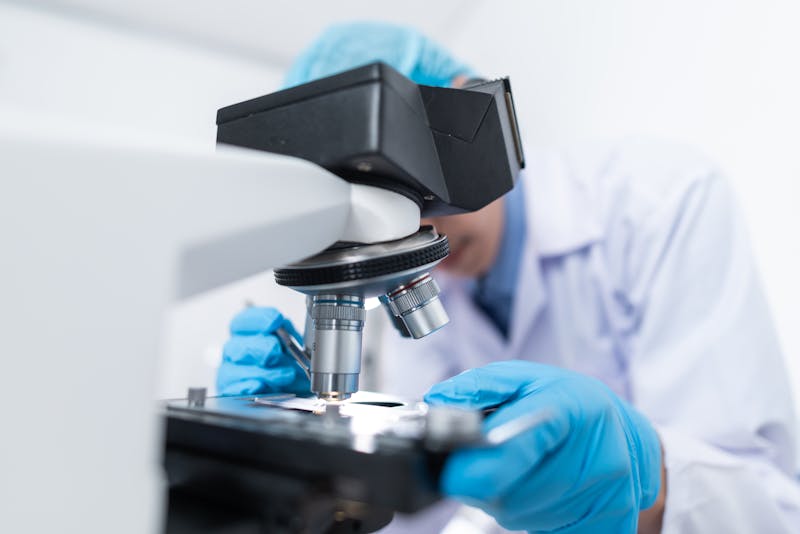
A comprehensive meta-analysis published in the Journal of the International Society of Sports Nutrition examined data from numerous studies and found no evidence of adverse effects from creatine supplementation on kidney function, liver function, or cardiovascular health when used by healthy individuals at recommended dosages.
Myth-Busting: Separating Fact from Fiction
Despite overwhelming scientific evidence, myths about creatine persist. Let’s systematically demolish the most common misconceptions with hard science.
THE FACT
This is the most persistent and thoroughly debunked myth. Creatine does NOT damage healthy kidneys. This myth likely stems from confusion about creatinine (a metabolic byproduct of creatine) levels in blood tests. Elevated creatinine can indicate kidney problems, but creatine supplementation naturally increases creatinine as a normal metabolic process—not because of kidney damage.
A comprehensive review in the Journal of the International Society of Sports Nutrition examined studies ranging from 5 days to 5 years and found zero evidence of kidney dysfunction in healthy individuals. A 2019 study specifically measured glomerular filtration rate (GFR), the gold standard for kidney function, and found no negative impact from creatine supplementation.
Important caveat: If you have pre-existing kidney disease, consult your physician before taking any supplement, including creatine.
THE FACT
Creatine actually improves cellular hydration. This myth is backwards. Creatine works by drawing water into muscle cells, which is part of how it increases muscle cell volume and promotes protein synthesis. This intracellular water retention is beneficial, not harmful.
Research published in the Journal of Athletic Training found that creatine supplementation did NOT increase the incidence of muscle cramps, heat illness, dehydration, or any other adverse effects compared to non-users. In fact, some studies suggest creatine may improve thermoregulation and reduce heat stress during exercise in hot environments.
The evidence reviewed by Healthline confirms that when proper hydration practices are followed, creatine poses no dehydration risk.
THE FACT
Creatine is NOT a steroid. Period. This myth conflates performance enhancement with illegal anabolic steroids. Creatine is a naturally occurring amino acid derivative that your body produces every day. It has absolutely no relationship to anabolic steroids, either chemically or functionally.
Steroids work by artificially elevating hormone levels (primarily testosterone) to supraphysiological levels, which carries significant health risks. Creatine simply increases your phosphocreatine stores to enhance your ATP energy system. It doesn’t alter hormones, and it’s completely legal in all sports organizations, including the Olympics, NCAA, and professional leagues.
The U.S. Anti-Doping Agency (USADA) does not prohibit creatine use, and WebMD explicitly clarifies that creatine is not a steroid.
THE FACT
There’s no scientific evidence that you need to cycle creatine. Your body doesn’t develop tolerance to creatine, and your natural creatine production doesn’t shut down when supplementing (unlike what happens with hormone-based supplements like testosterone).
Research shows that continuous creatine supplementation is both safe and effective long-term. When you stop taking creatine, your levels simply return to baseline over 4-6 weeks. Your body continues producing creatine naturally regardless of supplementation status.
Cycling was popularized in the bodybuilding community as a precautionary measure, but current scientific evidence doesn’t support it as necessary.
THE FACT
The hair loss claim is based on a single study with significant limitations. A 2009 study found that creatine increased DHT (dihydrotestosterone) levels in college rugby players. Since DHT is associated with male pattern baldness in genetically predisposed individuals, this sparked concern.
However, this remains the only study to show this effect, and it hasn’t been replicated. Multiple subsequent studies have found no significant changes in testosterone or DHT levels with creatine supplementation. The scientific consensus is that there’s insufficient evidence to link creatine with hair loss.
Even if you’re genetically predisposed to male pattern baldness, the minimal increase shown in one study is unlikely to accelerate hair loss beyond what genetics already determines.
THE FACT
Digestive discomfort can occur, but it’s rare and easily preventable. Some users experience bloating, nausea, or stomach upset, particularly during a loading phase with high doses. This isn’t due to creatine being harmful—it’s simply a concentration issue.
Solutions are straightforward: split your doses throughout the day, take creatine with meals, ensure adequate hydration, or skip the loading phase entirely. Studies show that taking 3-5 grams daily (maintenance dose) minimizes any GI side effects.
Using high-quality, micronized creatine monohydrate also improves solubility and reduces digestive discomfort.
THE FACT
Creatine benefits extend far beyond the gym. While creatine is popular among strength athletes, research shows benefits for endurance athletes, older adults, vegetarians/vegans, and even cognitive performance.
Studies demonstrate creatine’s effectiveness for:
- Improving high-intensity exercise performance across all sports
- Enhancing cognitive function, especially during sleep deprivation or mental fatigue
- Reducing age-related muscle loss in older adults
- Supporting neurological health in various conditions

The Proven Benefits of Creatine Monohydrate
Now that we’ve cleared the air on safety, let’s examine why creatine monohydrate is worth taking in the first place. The benefits are backed by decades of peer-reviewed research.
Performance and Muscle Benefits
- Increased Strength and Power: Creatine supplementation increases muscle phosphocreatine stores by up to 20%, enabling you to produce more ATP for high-intensity efforts. Research shows improvements in strength of 5-15%.
- Enhanced Muscle Growth: Creatine promotes lean muscle mass gains through multiple mechanisms: increased training volume capacity, cell volumization, and enhanced protein synthesis signaling.
- Improved High-Intensity Performance: Activities like sprinting, jumping, and weightlifting see significant improvements. Studies show 10-20% improvement in high-intensity work capacity.
- Faster Recovery: Creatine helps reduce muscle cell damage and inflammation following intense exercise, accelerating recovery between training sessions.
Cognitive and Neurological Benefits
- Enhanced Brain Function: Your brain uses ATP just like your muscles. Research demonstrates that creatine supplementation improves memory, particularly in situations of mental fatigue or sleep deprivation.
- Neuroprotective Effects: Emerging research suggests creatine may have protective effects against neurological diseases and age-related cognitive decline.
- Mental Clarity Under Stress: Studies show improved cognitive performance during demanding mental tasks, making it valuable for high-pressure professional environments.
Potential Side Effects: The Real Ones
Honesty is crucial. While creatine is remarkably safe, it’s not entirely without side effects. Here are the actual side effects based on scientific evidence—not internet myths.
Real (But Minor) Side Effects
- Water Weight Gain (2-4 lbs): This is not fat gain. Creatine draws water into muscle cells, which is actually part of its mechanism for promoting muscle growth. This typically occurs in the first week and stabilizes. It’s a feature, not a bug.
- Minor Digestive Discomfort: Some users report bloating or mild stomach upset, particularly with high doses during a loading phase. This is preventable by splitting doses, taking with food, or using the maintenance-dose-only approach.
- Increased Creatinine Levels: Blood tests may show elevated creatinine (not a sign of kidney damage when using creatine—just increased metabolic byproduct). Inform your doctor if you’re supplementing so they can interpret labs correctly.
According to Mayo Clinic, when taken at recommended doses, creatine is generally safe with minimal side effects. The comprehensive review by Health.com confirms that serious side effects are extremely rare.
Who Should Avoid Creatine?
While creatine is safe for most healthy individuals, certain populations should exercise caution or avoid it entirely.
Exercise Caution or Avoid If:
- Pre-existing Kidney Disease: If you have kidney disease or reduced kidney function, consult your physician before taking creatine. While it doesn’t cause kidney damage, those with existing conditions should be monitored.
- Pregnant or Nursing: There’s insufficient research on creatine safety during pregnancy and lactation. Err on the side of caution.
- Under 18: While no evidence suggests harm, most studies focus on adults. Adolescents should consult a healthcare provider.
- Taking Certain Medications: Creatine may interact with NSAIDs, diuretics, or medications affecting kidney function. Discuss with your doctor if taking medications regularly.
- Diabetes: Creatine may affect blood sugar control. Monitor closely and consult your physician if diabetic.
The WebMD safety guidelines emphasize the importance of consulting healthcare providers if you have any underlying health conditions.
Proper Dosage and Usage Guidelines
Understanding how to use creatine correctly maximizes benefits and minimizes any potential side effects. Here’s the science-backed protocol.
The Optimal Dosing Strategy
- Loading Phase (Optional): 20 grams per day (split into 4 doses of 5g each) for 5-7 days. This rapidly saturates muscle creatine stores.
- Maintenance Dose: 3-5 grams per day, taken consistently. This maintains elevated creatine levels once saturated.
- Timing: While timing is less critical than consistency, taking creatine post-workout with protein and carbohydrates may slightly enhance absorption.
- Hydration: Drink plenty of water (8-10 glasses daily) to support the increased intracellular hydration creatine promotes.
- Duration: You can take creatine continuously without cycling. When you stop, levels return to baseline over 4-6 weeks.
The International Society of Sports Nutrition recommends these dosing protocols as the most effective and well-researched approach. Healthline’s comprehensive guide confirms these dosage recommendations align with current scientific consensus.
Pro Tips for Best Results
- Use pharmaceutical-grade creatine monohydrate—it’s the most studied and cost-effective form.
- Mix with warm water for better solubility, or add to your protein shake.
- If you experience stomach upset, try micronized creatine (smaller particles that dissolve better).
- You can skip the loading phase and take 5g daily—it just takes 3-4 weeks to reach full saturation instead of 1 week.
- Store creatine in a cool, dry place away from moisture to maintain potency.

Frequently Asked Questions About Creatine Safety
If you use a loading phase (20g/day for 5-7 days), you’ll typically notice performance benefits within one week. Your muscle creatine stores reach saturation quickly with this approach.
If you skip loading and take the standard 3-5g daily maintenance dose, full saturation takes 3-4 weeks. While this is slower, the end result is identical—you’ll reach the same elevated creatine levels.
Benefits you might notice include increased strength, more reps before fatigue, faster recovery between sets, and a slight increase in muscle fullness from water retention. These improvements compound as your training progresses.
Absolutely yes. Creatine is equally safe and effective for women as it is for men. All the safety research applies to both sexes, and studies specifically examining women show the same benefits without adverse effects.
A common concern is that creatine will cause “bulky” muscles. This is a myth. Creatine helps you build strength and lean muscle, but your overall physique is determined by your training style, diet, and genetics—not the supplement itself. Women don’t have the testosterone levels to build massive muscle mass without specific, intense training protocols.
The initial water weight gain (2-4 lbs) is intracellular (inside muscle cells), not subcutaneous (under skin), so it actually makes muscles look fuller and more defined, not bloated.
The vast majority of research shows that creatine does not significantly alter hormone levels, including testosterone, estrogen, or cortisol. Multiple studies measuring hormone panels before and after creatine supplementation find no clinically significant changes.
The one exception is the single study mentioned earlier that found increased DHT in rugby players, but this finding hasn’t been replicated in subsequent research. The scientific consensus is that creatine does not function as a hormonal supplement.
This is one of the reasons creatine is legal in all sports—it doesn’t provide the artificial hormonal advantages that banned substances do.
No, creatine is not banned by any major sports organization. It’s legal and permitted by:
- The International Olympic Committee (IOC)
- NCAA (college sports)
- NFL, NBA, MLB, NHL (professional leagues)
- World Anti-Doping Agency (WADA)
Creatine is not tested for because it’s a naturally occurring substance that your body produces. Athletes at all levels use it openly and legally. The U.S. Anti-Doping Agency explicitly states that creatine supplementation is permitted.
Creatine monohydrate is unquestionably the best form. Despite marketing claims for newer forms (HCL, ethyl ester, buffered, etc.), creatine monohydrate has:
- The most extensive research (500+ studies)
- Proven safety over decades of use
- The highest bioavailability and effectiveness
- The lowest cost per effective dose
Other forms may claim better absorption or reduced side effects, but head-to-head studies consistently show they don’t outperform monohydrate. The ISSN position stand specifically recommends creatine monohydrate as the gold standard.
If you experience stomach discomfort with regular creatine monohydrate, try micronized creatine monohydrate (smaller particle size for better mixing), but stick with the monohydrate form.
Aim for at least 8-10 glasses (64-80 ounces) of water daily when supplementing with creatine. Since creatine draws water into muscle cells, adequate hydration supports this process and ensures you feel your best.
However, you don’t need to go overboard. The myth that you need to drink a gallon of water isn’t supported by evidence. Just maintain good general hydration practices:
- Drink water consistently throughout the day
- Increase intake during workouts and hot weather
- Monitor urine color (pale yellow indicates good hydration)
- Don’t wait until you’re thirsty to drink
The “dehydration” myth we debunked earlier means you don’t need extra-special hydration protocols—just normal, healthy water intake.
Yes, creatine stacks well with most supplements. Common and effective combinations include:
- Protein powder: Excellent combination. Taking creatine with protein post-workout may enhance absorption.
- Beta-alanine: Research shows this combination provides synergistic benefits for high-intensity performance.
- Caffeine: Safe to combine, though one older study suggested potential interaction. More recent research shows they work fine together.
- BCAAs: No interaction concerns—take together if desired.
Avoid combining creatine with excessive doses of stimulants or diuretics, as these may affect hydration. Always check with a healthcare provider if you’re on prescription medications, particularly those affecting kidney function.
When you stop supplementing, your muscle creatine stores gradually return to baseline levels over 4-6 weeks. This is a natural process, not a withdrawal or rebound effect.
What you’ll notice:
- Slight decrease in strength and power back to pre-supplementation levels
- Loss of the water weight you gained (2-4 lbs) as water leaves muscle cells
- Potentially fewer reps before fatigue during high-intensity training
What you won’t experience: muscle loss (you keep the actual muscle you built through training), health problems, or any negative side effects. Your body simply returns to producing its natural 1-2 grams of creatine daily, and your baseline function remains unchanged.
The muscle you built while training on creatine is real muscle tissue—you retain it as long as you continue training and eating adequately. Creatine just helped you train harder to build it.
The Verdict: Is Creatine Monohydrate Safe?
After examining decades of research, hundreds of studies, and position statements from the world’s leading sports science organizations, the answer is unequivocal: Yes, creatine monohydrate is safe for healthy individuals when used at recommended doses.
The Science-Backed Conclusion
- Safety confirmed: Over 30 years and 500+ studies show no adverse health effects in healthy populations
- No organ damage: Does not harm kidneys, liver, or any other organ system when used properly
- No dangerous side effects: Minor water weight gain and rare digestive discomfort are the only real side effects
- Effective and proven: Consistently demonstrates performance and muscle-building benefits
- Legal and ethical: Permitted by all major sports organizations worldwide
The myths surrounding creatine safety are just that—myths. They’ve been systematically debunked by rigorous scientific research. Organizations like the International Society of Sports Nutrition, Mayo Clinic, and countless peer-reviewed studies all reach the same conclusion: creatine monohydrate is one of the safest and most effective supplements available.
If you’re a healthy individual looking to enhance your training, improve performance, build strength, or even boost cognitive function, creatine monohydrate deserves serious consideration. The science is clear. The safety data is robust. The benefits are real.
Ready to Experience the Benefits?
Now that you have the facts, you can make an informed decision. If you’re healthy, use the recommended dosage, stay hydrated, and choose quality creatine monohydrate, you’re positioning yourself for real, science-backed gains—safely.
Stop letting myths hold you back from proven performance enhancement. Make the evidence-based choice.
It’s time to Krush-It.
References and Further Reading
Key Scientific Resources
- International Society of Sports Nutrition Position Stand: Safety and Efficacy of Creatine Supplementation
- Common Questions and Misconceptions About Creatine Supplementation – PMC
- Effects of Creatine Supplementation on Renal Function – PubMed
- Creatine – Mayo Clinic
- Creatine: Uses, Side Effects, and Safety – WebMD
- Creatine Safety and Side Effects: What the Science Says – Healthline
- Everything You Need to Know About Creatine – Health.com
- Creatine Monohydrate Benefits and Safety – Verywell Health




No comment yet, add your voice below!