Elevate your 12-week at-home workout plan or beginner workout routine with essential tips on nutrition, recovery, and motivation for lasting fitness results.
Continue readingElevate your 12-week at-home workout plan or beginner workout routine with essential tips on nutrition, recovery, and motivation for lasting fitness results.
Continue reading
With the right strategy, you can use those Thanksgiving leftovers to power your workouts, support your goals, and navigate the holiday season like a pro. This guide will show you exactly how to make your leftovers work for you, not against you.
Continue reading
What do the world’s top CEOs, innovators, and game-changers have in common, aside from a relentless drive to succeed? They understand a fundamental truth: peak mental output requires peak physical condition. But in a world of 80-hour workweeks and back-to-back meetings, who has the time? The answer is the ultimate productivity hack. The secret isn’t finding more hours in the day; it’s maximizing the minutes you have. This is where the power of the 30-minute workout comes in.
The most successful people on the planet don’t waste time on inefficient exercise. They leverage short, intense bursts of activity to build energy, sharpen focus, and forge the resilience needed to conquer their goals. This isn’t just a fitness routine; it’s a success ritual.
Research consistently shows that successful people who maintain regular exercise routines are more productive, creative, and resilient than their sedentary counterparts. A study published in the Journal of Occupational and Environmental Medicine found that employees who exercised regularly were 15% more productive than those who didn’t. The correlation between physical fitness and professional success isn’t coincidental—it’s causal.
According to research from the Mayo Clinic, regular physical activity can help prevent excess weight gain, combat health conditions, boost energy, improve mood, and promote better sleep—all critical factors for sustained professional success.
Ready to trade excuses for execution? Here are the five types of 30-minute workouts that fuel the world’s elite, complete with the science behind their effectiveness and real-world applications from some of the most successful people on the planet.
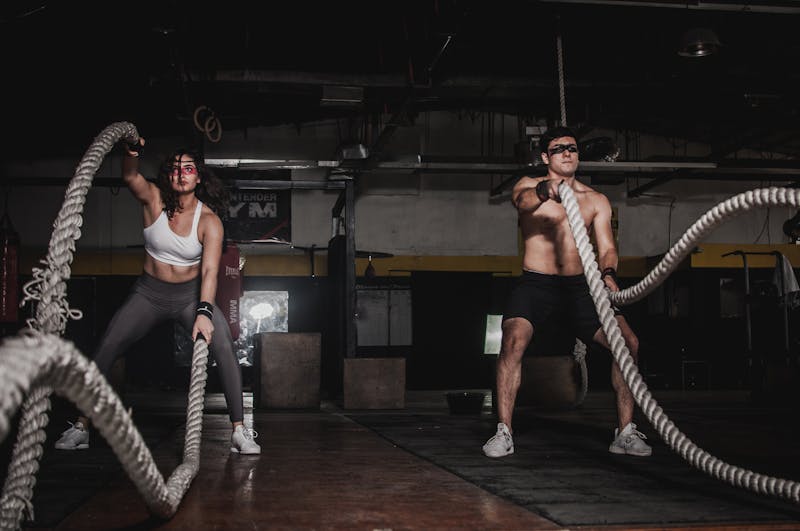
For the executive whose every second is accounted for, HIIT is the ultimate ROI. This workout philosophy mirrors their business strategy: maximum impact in minimum time. A high-intensity workout like HIIT floods the body with endorphins and boosts metabolic rate for hours, providing the sustained energy and mental clarity needed to dominate the boardroom. This efficient exercise protocol is designed for those who demand results, fast.
Tim Cook, CEO of Apple, famously starts his day at 4:30 AM with HIIT workouts. He’s not alone—Richard Branson has stated that his morning workout routine, including kite-surfing and tennis, essentially gives him four additional hours of productivity each day. Mark Cuban has publicly credited his morning HIIT routines for his sustained energy and mental sharpness throughout demanding days.

Innovators, creators, and frequent flyers need a fitness routine that is as adaptable as they are. They thrive on resourcefulness, and their workout is no different. A bodyweight circuit requires zero equipment, meaning this quick workout can be done in a hotel room, a home office, or a park. It builds functional strength and mental agility, fostering the creative problem-solving mindset needed to build the future. This is the ultimate routine for freedom and flexibility.
Elon Musk, despite his demanding schedule running multiple companies, maintains his fitness through bodyweight exercises that can be performed anywhere. Similarly, Mark Zuckerberg runs three times a week and does bodyweight exercises, demonstrating that adaptability is key for innovators constantly on the move.

The long-term strategist knows that success is a marathon, not a sprint. Their goal is to build a resilient foundation for a long and demanding career. Functional strength training focuses on compound movements that mimic real-life activities, building practical power that prevents injury, improves posture after long hours at a desk, and ensures they have the physical stamina to see their vision through. This is the definition of peak performance fitness for longevity.
Warren Buffett, at 93 years old, still maintains a functional fitness routine that includes walking and light resistance training. His approach exemplifies the strategist’s mindset—building sustainable habits that compound over time. Jack Dorsey, CEO of Block (formerly Square), incorporates functional strength training into his rigorous daily routine, emphasizing movements that support long-term health rather than short-term aesthetics.

For the entrepreneur or project leader pushing through immense challenges, mental grit is non-negotiable. Metabolic Conditioning is a time-saving workout designed to tax the body’s energy pathways, forging an unbreakable will. This workout is less about sculpting muscles and more about building the mental and physical endurance to outlast any obstacle. This is how successful people train to handle pressure and thrive in chaos.
Jeff Bezos, during Amazon’s early years, would work 12-hour days and still find time for intense workouts. His approach to fitness mirrored his approach to business—embracing discomfort as a pathway to growth and competitive advantage. Michelle Obama has spoken extensively about how her intense workout routines prepared her for the demands of being First Lady and handling high-pressure situations with grace.

The wisest leaders know that relentless intensity without strategic recovery leads to burnout. The most successful people workout with intelligence, and that includes planned de-loading. An active recovery session isn’t a day off; it’s a strategic investment in longevity and clarity. This 30-minute workout improves blood flow, eases muscle soreness, and quiets the mind, allowing for bigger breakthroughs and more profound insights.
Arianna Huffington, founder of Thrive Global, has made recovery and wellness a central part of her leadership philosophy. She advocates for the importance of rest and recovery as essential components of sustainable success, not signs of weakness. LinkedIn CEO Jeff Weiner practices daily meditation and yoga, demonstrating that recovery practices are just as important as intense workouts for peak performance.
Understanding the physiological and psychological mechanisms behind these workout routines helps explain why they’re so effective for high achievers. Research from institutions like Harvard Medical School and the Mayo Clinic consistently shows that regular exercise:
Even the most successful people can fall into fitness traps that undermine their goals. Here are the most common mistakes and how to avoid them:
Many high achievers approach fitness with the same intensity they bring to business, leading to unsustainable routines. The solution? Start with consistency over intensity. A 15-minute workout done consistently beats a 2-hour workout done sporadically. According to sports psychologists, building the habit is more important than the intensity in the first 30 days.
Successful people often push through fatigue, treating it as weakness. However, proper recovery is what allows for sustained high performance. Schedule recovery sessions as seriously as you schedule meetings. Elite athletes understand that rest days are when the body adapts and grows stronger.
Waiting for the perfect time, perfect equipment, or perfect conditions leads to inaction. The most successful people start with what they have, where they are, and adapt as they go. As James Clear, author of Atomic Habits, says: “The best time to start was yesterday. The second best time is now.”
Now that you understand the workouts, here’s how to implement them into your busy schedule. According to research from University College London, it takes an average of 66 days to form a new habit. Here’s your roadmap:
Start with 2-3 sessions per week, focusing on one workout type. This builds the habit without overwhelming your schedule. Track your energy levels and mood to see immediate benefits. Keeping a workout journal can increase accountability and help you recognize patterns in your performance.
Increase to 4 sessions per week, alternating between different workout types. This prevents boredom and ensures balanced development across all fitness domains. Research from American College of Sports Medicine shows that cross-training reduces injury risk while improving overall fitness.
Fine-tune your routine based on your schedule, preferences, and results. The goal is creating a sustainable system that enhances rather than detracts from your professional performance. As Forbes reports, employees who take regular exercise breaks are more engaged and productive.
Success leaves clues, and a commitment to an efficient fitness routine is one of the most consistent. The excuse of “no time” is the barrier that separates the good from the great. As you can see, achieving peak performance fitness doesn’t require hours in the gym. It requires 30 minutes of focused, intentional effort.
The power of a 30-minute workout lies not just in its physical benefits, but in the discipline, energy, and resilience it builds. This is the foundation upon which empires are built. Every successful person you admire has faced the same 24-hour constraint you do. The difference? They’ve learned to optimize those hours for maximum impact.
Your fitness routine is one of the few things you should say “yes” to consistently. It’s not just about looking good or feeling strong—it’s about building the mental and physical foundation that allows you to perform at your highest level when it matters most.
Don’t let another day pass without taking action. Choose one workout routine from this article and commit to it for the next 30 days. Schedule it in your calendar like any other critical business meeting. Your future self will thank you.
Remember: The best time to start was yesterday. The second best time is now.
So, pick one routine. Schedule it into your calendar like the mission-critical meeting it is. Stop admiring their success. Start adopting their habits. Krush-It.
A: Absolutely. Research shows that 30 minutes of high-intensity exercise can be more effective than 60 minutes of moderate exercise. The key is intensity and consistency, not duration.
A: If you’re new to exercise, start with the bodyweight circuit. If you’re experienced but short on time, try HIIT. If you’re looking for longevity, focus on functional strength training.
A: Start with 3-4 times per week. According to the CDC guidelines, adults need at least 150 minutes of moderate-intensity aerobic activity per week. Listen to your body and adjust based on your recovery needs and schedule demands.
A: Not necessarily. Most of these workouts can be done at home or in a hotel room. The bodyweight circuit requires no equipment at all. Even for functional strength training, you can start with minimal equipment like a single kettlebell or set of dumbbells.
A: Don’t let perfectionism derail your progress. Missing one workout doesn’t mean you’ve failed. Get back on track with your next scheduled session. Consistency beats perfection every time.
First, is creatine monohydrate safe? The answer is YES. It’s one of the most extensively researched supplements in sports science, backed by over thirty years of safety data. Next, we’ll debunk the common myths. Creatine does NOT damage kidneys in healthy individuals, it does NOT cause dehydration, and it is NOT a steroid. The optimal dosage is three to five grams daily for maintenance. There’s also an optional loading phase, which involves taking twenty grams per day for five to seven days to achieve faster results. So, who should avoid it? We will dive into this and so much more, right now!
You’ve heard the rumors. Creatine damages your kidneys. It causes dehydration and cramping. It’s basically a steroid. Maybe you’ve been sitting on the fence about trying creatine monohydrate because you’re concerned about safety. The internet is full of conflicting information, gym-bro myths, and outright misinformation that keeps people from accessing one of the most powerful, proven performance enhancers available.
Here’s the truth: Is creatine safe? Absolutely—when used correctly by healthy individuals. But don’t just take our word for it. We’re going to break down decades of peer-reviewed research, debunk the most persistent myths, and give you the complete safety profile backed by science, not fear-mongering.
This is your definitive guide to creatine monohydrate safety. By the end of this article, you’ll have evidence-based answers to every safety question, understand exactly how to use creatine properly, and know whether it’s right for you. No hype. No myths. Just facts.

Before diving into safety, let’s establish what we’re actually talking about. Creatine is a naturally occurring compound found in your body, primarily in your muscles. Your liver, kidneys, and pancreas produce about 1-2 grams daily, and you obtain additional creatine from dietary sources like red meat and fish.
Creatine plays a crucial role in the ATP-phosphocreatine energy system, which provides rapid energy for short bursts of high-intensity activity. When you take a creatine monohydrate supplement, you’re simply increasing your body’s creatine phosphate stores, allowing you to regenerate ATP (your cells’ energy currency) faster during intense exercise.
While several forms of creatine exist (HCL, ethyl ester, buffered), creatine monohydrate is the gold standard. It has the most extensive research backing its safety and effectiveness, the highest bioavailability, and is the most cost-effective form. According to the International Society of Sports Nutrition, creatine monohydrate is the most effective ergogenic nutritional supplement currently available.
Your body doesn’t distinguish between creatine from food and creatine from supplements—it’s the same molecule. The only difference is concentration and convenience. A typical 5-gram serving of creatine monohydrate would require eating approximately 2.5 pounds of raw steak.
Let’s cut straight to what matters most: Is creatine safe? The scientific consensus is overwhelmingly clear. Creatine monohydrate is not only safe but is one of the most extensively studied supplements in the world, with over 500 published research studies examining its safety and efficacy.
A landmark position statement from the International Society of Sports Nutrition (ISSN) concluded: “Creatine monohydrate is the most effective ergogenic nutritional supplement currently available to athletes with the intent of increasing high-intensity exercise capacity and lean body mass.” The statement further emphasizes that creatine supplementation is safe and ethical.
The Mayo Clinic confirms that creatine is generally safe when taken at recommended doses, and the extensive research reviewed by WebMD supports its safety profile across multiple studies.

A comprehensive meta-analysis published in the Journal of the International Society of Sports Nutrition examined data from numerous studies and found no evidence of adverse effects from creatine supplementation on kidney function, liver function, or cardiovascular health when used by healthy individuals at recommended dosages.
Despite overwhelming scientific evidence, myths about creatine persist. Let’s systematically demolish the most common misconceptions with hard science.
This is the most persistent and thoroughly debunked myth. Creatine does NOT damage healthy kidneys. This myth likely stems from confusion about creatinine (a metabolic byproduct of creatine) levels in blood tests. Elevated creatinine can indicate kidney problems, but creatine supplementation naturally increases creatinine as a normal metabolic process—not because of kidney damage.
A comprehensive review in the Journal of the International Society of Sports Nutrition examined studies ranging from 5 days to 5 years and found zero evidence of kidney dysfunction in healthy individuals. A 2019 study specifically measured glomerular filtration rate (GFR), the gold standard for kidney function, and found no negative impact from creatine supplementation.
Important caveat: If you have pre-existing kidney disease, consult your physician before taking any supplement, including creatine.
Creatine actually improves cellular hydration. This myth is backwards. Creatine works by drawing water into muscle cells, which is part of how it increases muscle cell volume and promotes protein synthesis. This intracellular water retention is beneficial, not harmful.
Research published in the Journal of Athletic Training found that creatine supplementation did NOT increase the incidence of muscle cramps, heat illness, dehydration, or any other adverse effects compared to non-users. In fact, some studies suggest creatine may improve thermoregulation and reduce heat stress during exercise in hot environments.
The evidence reviewed by Healthline confirms that when proper hydration practices are followed, creatine poses no dehydration risk.
Creatine is NOT a steroid. Period. This myth conflates performance enhancement with illegal anabolic steroids. Creatine is a naturally occurring amino acid derivative that your body produces every day. It has absolutely no relationship to anabolic steroids, either chemically or functionally.
Steroids work by artificially elevating hormone levels (primarily testosterone) to supraphysiological levels, which carries significant health risks. Creatine simply increases your phosphocreatine stores to enhance your ATP energy system. It doesn’t alter hormones, and it’s completely legal in all sports organizations, including the Olympics, NCAA, and professional leagues.
The U.S. Anti-Doping Agency (USADA) does not prohibit creatine use, and WebMD explicitly clarifies that creatine is not a steroid.
There’s no scientific evidence that you need to cycle creatine. Your body doesn’t develop tolerance to creatine, and your natural creatine production doesn’t shut down when supplementing (unlike what happens with hormone-based supplements like testosterone).
Research shows that continuous creatine supplementation is both safe and effective long-term. When you stop taking creatine, your levels simply return to baseline over 4-6 weeks. Your body continues producing creatine naturally regardless of supplementation status.
Cycling was popularized in the bodybuilding community as a precautionary measure, but current scientific evidence doesn’t support it as necessary.
The hair loss claim is based on a single study with significant limitations. A 2009 study found that creatine increased DHT (dihydrotestosterone) levels in college rugby players. Since DHT is associated with male pattern baldness in genetically predisposed individuals, this sparked concern.
However, this remains the only study to show this effect, and it hasn’t been replicated. Multiple subsequent studies have found no significant changes in testosterone or DHT levels with creatine supplementation. The scientific consensus is that there’s insufficient evidence to link creatine with hair loss.
Even if you’re genetically predisposed to male pattern baldness, the minimal increase shown in one study is unlikely to accelerate hair loss beyond what genetics already determines.
Digestive discomfort can occur, but it’s rare and easily preventable. Some users experience bloating, nausea, or stomach upset, particularly during a loading phase with high doses. This isn’t due to creatine being harmful—it’s simply a concentration issue.
Solutions are straightforward: split your doses throughout the day, take creatine with meals, ensure adequate hydration, or skip the loading phase entirely. Studies show that taking 3-5 grams daily (maintenance dose) minimizes any GI side effects.
Using high-quality, micronized creatine monohydrate also improves solubility and reduces digestive discomfort.
Creatine benefits extend far beyond the gym. While creatine is popular among strength athletes, research shows benefits for endurance athletes, older adults, vegetarians/vegans, and even cognitive performance.
Studies demonstrate creatine’s effectiveness for:
Now that we’ve cleared the air on safety, let’s examine why creatine monohydrate is worth taking in the first place. The benefits are backed by decades of peer-reviewed research.
Honesty is crucial. While creatine is remarkably safe, it’s not entirely without side effects. Here are the actual side effects based on scientific evidence—not internet myths.
According to Mayo Clinic, when taken at recommended doses, creatine is generally safe with minimal side effects. The comprehensive review by Health.com confirms that serious side effects are extremely rare.
While creatine is safe for most healthy individuals, certain populations should exercise caution or avoid it entirely.
The WebMD safety guidelines emphasize the importance of consulting healthcare providers if you have any underlying health conditions.
Understanding how to use creatine correctly maximizes benefits and minimizes any potential side effects. Here’s the science-backed protocol.
The International Society of Sports Nutrition recommends these dosing protocols as the most effective and well-researched approach. Healthline’s comprehensive guide confirms these dosage recommendations align with current scientific consensus.

If you use a loading phase (20g/day for 5-7 days), you’ll typically notice performance benefits within one week. Your muscle creatine stores reach saturation quickly with this approach.
If you skip loading and take the standard 3-5g daily maintenance dose, full saturation takes 3-4 weeks. While this is slower, the end result is identical—you’ll reach the same elevated creatine levels.
Benefits you might notice include increased strength, more reps before fatigue, faster recovery between sets, and a slight increase in muscle fullness from water retention. These improvements compound as your training progresses.
Absolutely yes. Creatine is equally safe and effective for women as it is for men. All the safety research applies to both sexes, and studies specifically examining women show the same benefits without adverse effects.
A common concern is that creatine will cause “bulky” muscles. This is a myth. Creatine helps you build strength and lean muscle, but your overall physique is determined by your training style, diet, and genetics—not the supplement itself. Women don’t have the testosterone levels to build massive muscle mass without specific, intense training protocols.
The initial water weight gain (2-4 lbs) is intracellular (inside muscle cells), not subcutaneous (under skin), so it actually makes muscles look fuller and more defined, not bloated.
The vast majority of research shows that creatine does not significantly alter hormone levels, including testosterone, estrogen, or cortisol. Multiple studies measuring hormone panels before and after creatine supplementation find no clinically significant changes.
The one exception is the single study mentioned earlier that found increased DHT in rugby players, but this finding hasn’t been replicated in subsequent research. The scientific consensus is that creatine does not function as a hormonal supplement.
This is one of the reasons creatine is legal in all sports—it doesn’t provide the artificial hormonal advantages that banned substances do.
No, creatine is not banned by any major sports organization. It’s legal and permitted by:
Creatine is not tested for because it’s a naturally occurring substance that your body produces. Athletes at all levels use it openly and legally. The U.S. Anti-Doping Agency explicitly states that creatine supplementation is permitted.
Creatine monohydrate is unquestionably the best form. Despite marketing claims for newer forms (HCL, ethyl ester, buffered, etc.), creatine monohydrate has:
Other forms may claim better absorption or reduced side effects, but head-to-head studies consistently show they don’t outperform monohydrate. The ISSN position stand specifically recommends creatine monohydrate as the gold standard.
If you experience stomach discomfort with regular creatine monohydrate, try micronized creatine monohydrate (smaller particle size for better mixing), but stick with the monohydrate form.
Aim for at least 8-10 glasses (64-80 ounces) of water daily when supplementing with creatine. Since creatine draws water into muscle cells, adequate hydration supports this process and ensures you feel your best.
However, you don’t need to go overboard. The myth that you need to drink a gallon of water isn’t supported by evidence. Just maintain good general hydration practices:
The “dehydration” myth we debunked earlier means you don’t need extra-special hydration protocols—just normal, healthy water intake.
Yes, creatine stacks well with most supplements. Common and effective combinations include:
Avoid combining creatine with excessive doses of stimulants or diuretics, as these may affect hydration. Always check with a healthcare provider if you’re on prescription medications, particularly those affecting kidney function.
When you stop supplementing, your muscle creatine stores gradually return to baseline levels over 4-6 weeks. This is a natural process, not a withdrawal or rebound effect.
What you’ll notice:
What you won’t experience: muscle loss (you keep the actual muscle you built through training), health problems, or any negative side effects. Your body simply returns to producing its natural 1-2 grams of creatine daily, and your baseline function remains unchanged.
The muscle you built while training on creatine is real muscle tissue—you retain it as long as you continue training and eating adequately. Creatine just helped you train harder to build it.
After examining decades of research, hundreds of studies, and position statements from the world’s leading sports science organizations, the answer is unequivocal: Yes, creatine monohydrate is safe for healthy individuals when used at recommended doses.
The myths surrounding creatine safety are just that—myths. They’ve been systematically debunked by rigorous scientific research. Organizations like the International Society of Sports Nutrition, Mayo Clinic, and countless peer-reviewed studies all reach the same conclusion: creatine monohydrate is one of the safest and most effective supplements available.
If you’re a healthy individual looking to enhance your training, improve performance, build strength, or even boost cognitive function, creatine monohydrate deserves serious consideration. The science is clear. The safety data is robust. The benefits are real.
Now that you have the facts, you can make an informed decision. If you’re healthy, use the recommended dosage, stay hydrated, and choose quality creatine monohydrate, you’re positioning yourself for real, science-backed gains—safely.
Stop letting myths hold you back from proven performance enhancement. Make the evidence-based choice.
It’s time to Krush-It.